



What is Safety Leadership?
Safety Leadership focuses on creating the conditions for people to contribute, learn and work safely.
It goes beyond enforcing rules or ensuring people comply with procedures. Safety Leadership is about how leaders influence the conditions of work, how they engage with people, how they respond when things go wrong, and how they help an organisation learn and improve.


Why does Safety Leadership matter?
Every organisation has competing priorities.
Safety exists alongside production, customer demands, deadlines, cost pressures, resource constraints and the everyday challenges of getting work done.
Policies, procedures and controls remain important. But they cannot anticipate every situation people will encounter.
This is where Safety Leadership becomes critical.
Leaders influence which priorities receive attention, how decisions are made when goals compete, whether people feel able to speak honestly, and how the organisation responds to emerging problems.
Without active leadership, safety can easily become something that is managed separately from the work itself.

Moving beyond compliance
Traditional approaches to safety often focus attention on the gap between what should happen and what actually happens.
→ Are people following the procedure?
→ Are the correct controls in place?
→ Has the checklist been completed?
These questions have value. But on their own, they provide an incomplete picture of safety.
Real work happens within complex systems where people continually respond to changing conditions, competing priorities, imperfect information and operational pressures.
Safety leaders therefore need to look beyond whether people are complying and become curious about why work happens the way it does.
Instead of only asking: “Are people following the rules?”
Safety leaders also ask: “What is helping and what is hindering safe work?”
This shift helps uncover the pressures, constraints, trade-offs and adaptations that influence everyday performance.


How can you have better Safety Conversations?
Safety conversations are one of the most practical ways leaders can influence safety every day. The difference often comes down to the leader's intent.
Are you there to check or connect?
When leaders approach conversations with genuine curiosity rather than judgement, people are more likely to talk openly about how work really happens. And when leaders can see work more clearly, they can make better decisions about how to improve it.
The benefits of Safety Leadership
When organisations strengthen Safety Leadership capability, the impact can extend well beyond individual safety interactions.
Organisations can create:
- Greater trust and openness between leaders and frontline teams
- Better visibility of operational challenges and emerging risks
- More meaningful safety conversations
- Greater involvement of workers in improvement
- Earlier identification of weak signals and system pressures
- Better quality operational insights for decision-makers
- Greater confidence among leaders to engage with safety
- More collaborative responses to complex problems
- Stronger learning from everyday work
- Systems and processes that better support safe performance
Most importantly, safety begins to shift from something owned by the safety department to something people throughout the organisation understand they can influence.

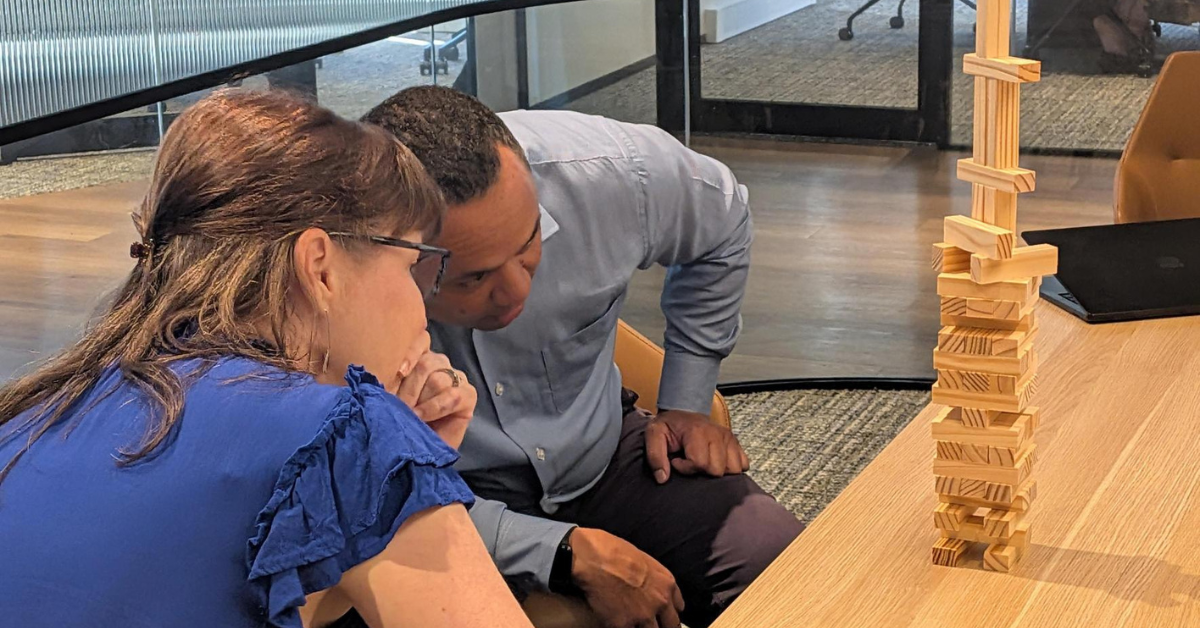
For us, it's about overlaying the skills that we've learnt onto a compliance activity to make it a richer experience for both people.
Safety Leadership and Human & Organisational Performance
Safety Leadership and Human & Organisational Performance (HOP) share an important idea:
To improve safety, we need to understand the conditions in which people work.
HOP helps leaders recognise that behaviour makes sense within context, and that learning from the people closest to work can reveal valuable information about how systems really perform.
Safety Leadership puts many of these ideas into action through the everyday decisions, conversations and behaviours of leaders.
Rather than treating people as a problem to control, leaders involve them as a source of expertise.
And rather than simply adding more controls, leaders seek to understand and improve the conditions that shape performance.

Trusted by leading companies across Australia, New Zealand and the world.